
Supporting Your Well-Being as a Caregiver: Prioritizing
Self-Care Helps Prevent Burnout
Whether you call yourself a parent, spouse, friend, grandparent, or caregiver, you are supporting someone you love—often while balancing work, home, and other life responsibilities. Caregiver burnout is a real and serious issue that affects millions of people who provide physical, emotional, or daily care for others.
In the midst of caring for someone else, it’s easy to forget about your own mental and emotional well-being. But taking care of your health is not a luxury—it’s a necessity. Your well-being directly impacts the quality of care you can provide for others.
Many caregivers experience high levels of stress, anxiety, and even depression. Over time, this can lead to what’s known as caregiver burnout, a state of physical, emotional, and mental exhaustion. As your health declines, your ability to care for your loved one may also diminish.
To support your long-term health and resilience, start by reviewing the Caregiver Action Plan with your licensed healthcare provider, counselor, or mental health professional. From there, create a personalized wellness strategy that supports your emotional, mental, and physical health.
Even small steps make a big difference. Consider starting with two or three healthy habits—like getting enough sleep, setting boundaries, or practicing mindfulness. Taking action today puts you on a positive path toward long-term well-being.
Develop a Caregiver Wellness “Action Plan”

Exercise

Eat Healthy Diet

Stay Active and Socialize

Daily Meditation

Sleep Meditation
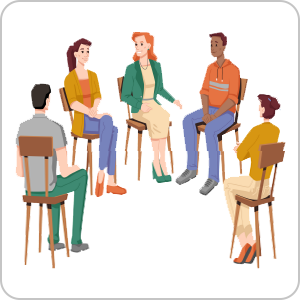
Stay Connected - Friends and Family.

Journal

Regular Health Checkups

Get Caregiver Advocate

Caregiver Support Group
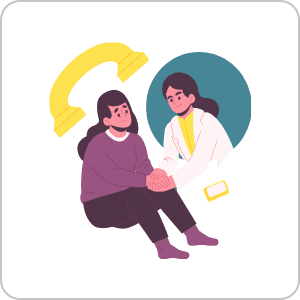
Get Caregiver Counselor

Get Care Recipient a Counselor
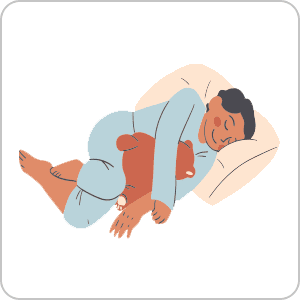
Get Your Sleep
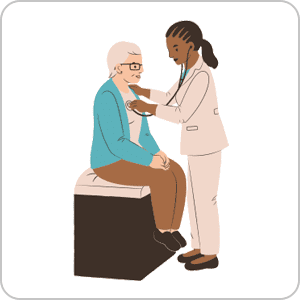
Use Respite Services/Care
Contact Health and Human Services - Caregiver Programs

Research Caregiver Service Organizations

Take Mini or Seven Day Vacations/Getaways
Disclosure
The above activities and techniques are provided for informational purposes only. We are not medical professionals or doctors and do not provide medical advice. You should talk to your licensed medical professional, doctor, and/or Mental Health Counselor before selecting a plan of action for your mental, emotional, and physical health needs. All caregivers are on different paths, with various levels of stress and anxiety, and on a possible road to caregiver burnout. Be sure to reach out to your family, friends, or medical professionals, if you are experiencing mental, emotional, or health issues.